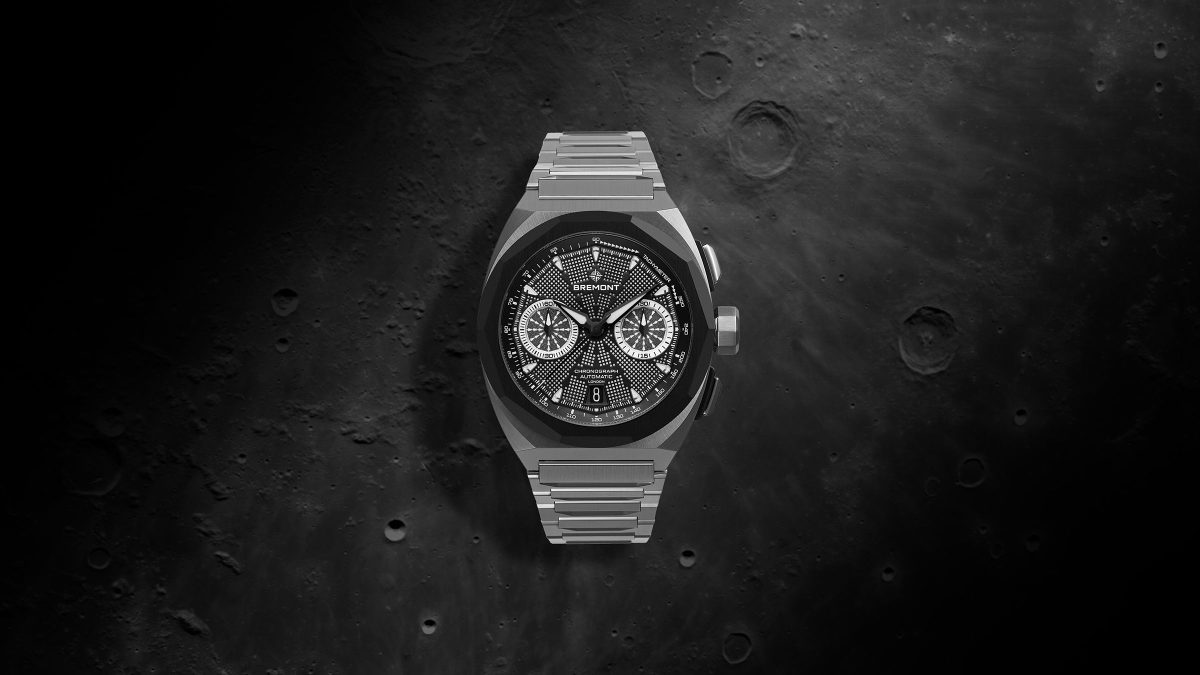
A British-made timepiece is scheduled to land on the lunar surface later this year. The Bremont Supernova chronograph will be integrated into the chassis of the Flexible Logistics and Exploration (FLEX) rover, developed by the aerospace company Astrolab.
The mission represents a significant step in the commercial partnership between the watchmaker and the space exploration sector. The FLEX rover is designed for cargo transport and operational support on the Moon.
Technical Integration and Mission Objectives
The timepiece will be mounted externally on the rover’s structure. This placement will subject the watch to the extreme conditions of the lunar environment.
These conditions include intense temperature fluctuations, high levels of radiation, and the vacuum of space. The mission will serve as a rigorous test of the chronograph’s durability and precision under such stresses.
Astrolab’s FLEX rover is a key component of upcoming commercial lunar delivery services. The vehicle is intended to assist astronauts and infrastructure projects on the lunar surface.
Context of Commercial Lunar Activity
This event occurs within a period of renewed lunar exploration led by both governmental space agencies and private enterprises. Several missions from various nations and companies are planned for the coming years.
The inclusion of commercial products on scientific and exploration missions is not unprecedented. Such collaborations often aim to demonstrate technological resilience in space environments.
For the watchmaking industry, space has historically served as a proving ground for precision and reliability. Timepieces from other manufacturers have previously flown on manned space missions and reside on the International Space Station.
Implications for Technology and Engineering
The primary stated objective for including the chronograph is engineering validation. Data on the watch’s performance may inform future design considerations for instruments destined for extreme environments.
Successfully enduring the lunar mission could provide factual data on the resilience of certain materials and mechanical systems in space. This information is often valuable for multiple engineering disciplines beyond horology.
The collaboration highlights the increasing intersection between luxury engineering and aerospace technology. It underscores a trend where products are tested in the most demanding operational settings available.
Expected Developments and Timeline
The FLEX rover, carrying the Bremont chronograph, is slated for a lunar landing in the latter part of this year. The exact launch date and landing site are determined by the mission provider and its launch partner.
Following the landing, the rover will begin its surface operations. The performance of all onboard systems, including the externally mounted timepiece, will be monitored.
Results from this durability test are expected to be analyzed and published after sufficient operational data is collected on the Moon. The mission outcome will contribute to the broader understanding of material science in lunar conditions.