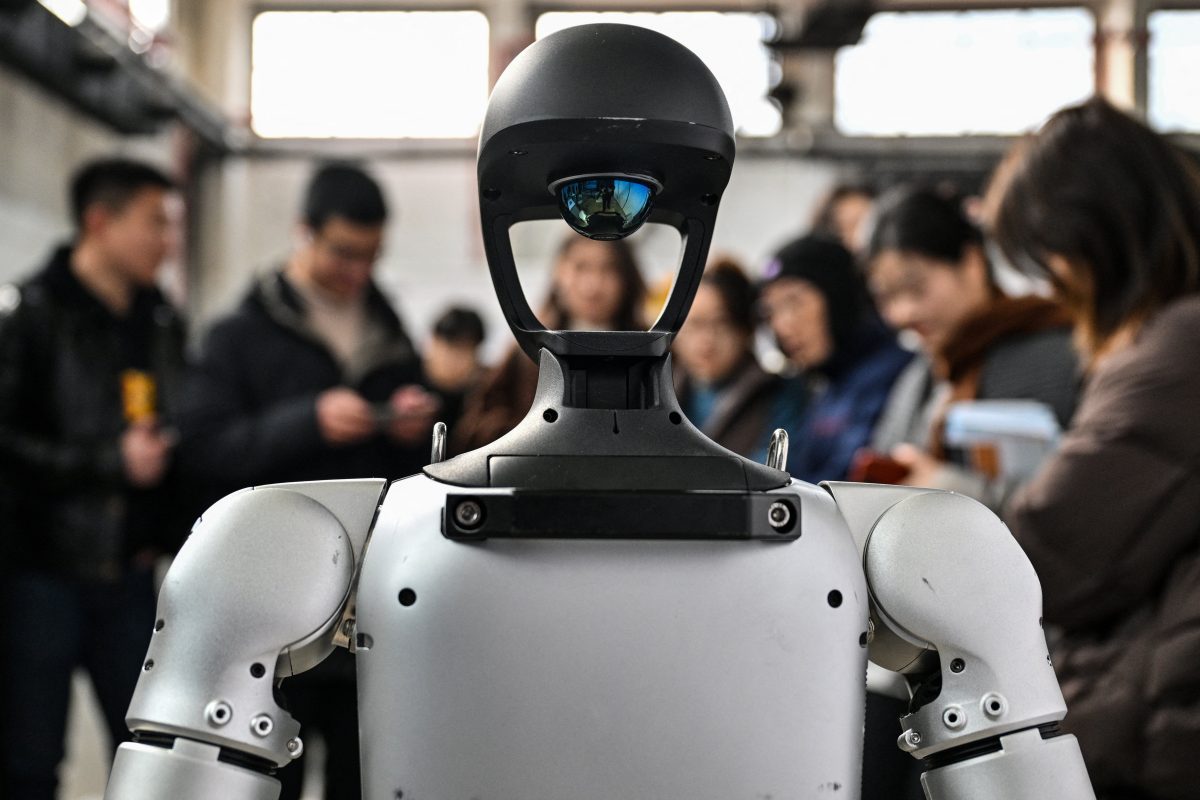
Chinese robotics company Unitree Robotics has announced the international expansion of its R1 humanoid robot. The machine will be available for purchase through global e-commerce platforms, including AliExpress, with a starting price of $4,370. The company confirmed the global market launch this week, though a specific date was not provided.
The move represents a significant reduction in the cost of entry for humanoid robotics technology. Previously, similar advanced robotic platforms have carried price tags in the tens or hundreds of thousands of dollars. This pricing strategy is expected to make the technology accessible to a broader range of developers, researchers, and enthusiasts outside of industrial or institutional settings.
Technical Specifications and Capabilities
The Unitree R1 is a bipedal robot standing approximately 1.2 meters tall. It is equipped with a suite of sensors for environmental perception and navigation. These sensors include depth cameras and LiDAR, which allow the robot to map and move through its surroundings.
A key feature highlighted by the company is the robot’s dynamic movement and balance control. The R1 is capable of performing agile maneuvers, including backflips and other acrobatic motions. This demonstrates a level of motor control and stability that has been a significant engineering challenge in the field of humanoid robotics.
The robot is powered by electric actuators and is designed to operate for a limited duration on a single battery charge. Unitree has stated that the R1 is intended as a platform for software development, suggesting its primary utility lies in the applications programmed by its users.
Market Context and Industry Developments
Unitree Robotics is known for its quadruped robots, such as the Go1 and B2 models, which have been sold internationally for several years. The company’s expansion into the humanoid form factor places it in direct competition with other global firms developing similar technology.
The humanoid robotics sector has seen increased activity and investment over the past two years. Several companies, including Tesla with its Optimus prototype and Boston Dynamics with its Atlas robot, are advancing their own platforms. However, these are generally presented as development prototypes or future commercial products, not as currently available consumer goods.
The announcement of a sub-$5,000 humanoid robot marks a new phase in the commercialization of this technology. It shifts the conversation from purely research and development to potential practical adoption and experimentation by a wider audience.
Open Questions Regarding Application
While the technical specifications and price point are established, the immediate practical applications for a robot like the R1 remain undefined by the manufacturer. The company’s promotional material emphasizes the hardware’s potential rather than specific, ready-to-use functions for home or business environments.
This presents a central question for potential adopters: what tasks can the robot perform upon purchase? Without pre-programmed applications for domestic chores, customer service, or other common roles, the value of the platform is contingent on the user’s ability to develop custom software. This positions the R1 primarily as a tool for programmers, roboticists, and educational institutions rather than as an end-user appliance.
Industry analysts note that the gap between capable hardware and useful, everyday application is a persistent hurdle in personal robotics. The success of platforms like the R1 may depend on the emergence of a developer ecosystem that creates and shares software to unlock its utility.
Unitree has not announced partnerships with software firms or detailed a roadmap for pre-loaded applications. The company’s documentation focuses on the robot’s open-source programming framework and its physical performance metrics.
Next Steps and Anticipated Developments
According to the company’s announcement, the Unitree R1 will be listed for international sale in the coming weeks. Shipments are expected to begin after orders are placed, though delivery timelines may vary by region.
The robotics community and industry observers will be monitoring the initial reception and user feedback closely. The performance of the R1 in real-world, non-laboratory settings will provide critical data on the maturity and reliability of low-cost humanoid platforms.
Further developments are expected from Unitree and its competitors regarding software development kits (SDKs) and application programming interfaces (APIs). The growth of this segment will likely be driven by the tools provided to third-party developers to create functional programs for these robots. The company has indicated that more details regarding software support and community resources will be released alongside the product’s availability.