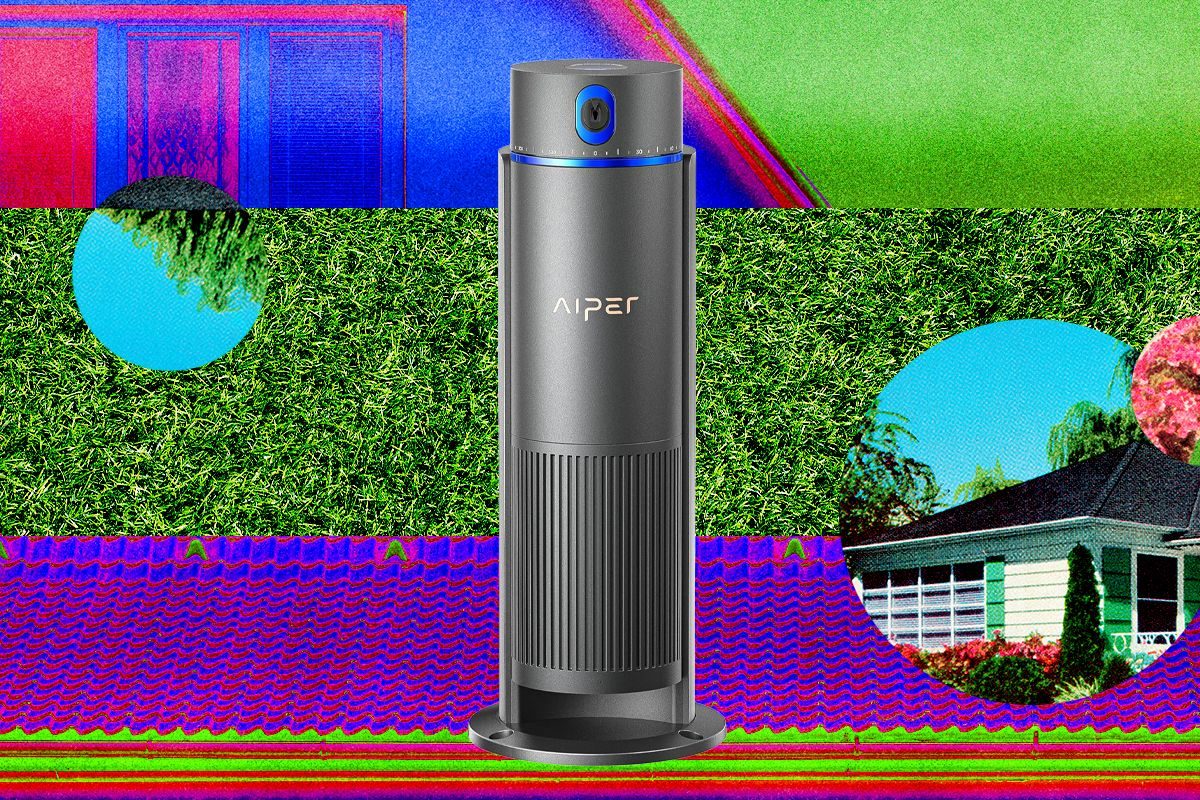
A new smart irrigation device designed for residential use has been released, offering automated yard mapping and water usage monitoring. The Aiper IrriSense 2 system represents a technological step forward for home garden care, though initial assessments indicate variable performance in real-world conditions.
The product is a hose-attached smart sprinkler. It connects to a standard outdoor water spigot, eliminating the need for complex underground piping associated with traditional irrigation systems.
Core Functionality and Features
The system’s primary innovation is its ability to create a map of the user’s yard. This process involves the device scanning the area to define watering zones.
Once mapping is complete, the sprinkler head can rotate on command. This rotation is typically controlled via a companion smartphone application, allowing users to direct water flow to specific sections of their landscape.
A central feature is the system’s capacity to measure water use. It provides users with data on the volume of water dispensed during each watering session, a function aimed at promoting conservation and efficient resource management.
Reported Performance and User Experience
Early reviews of the Aiper IrriSense 2 have identified a mix of advanced capabilities and operational shortcomings. The automated mapping and app-based control are frequently cited as significant conveniences.
However, these assessments also report that the watering results can be uneven. This inconsistency suggests potential challenges in the system’s ability to deliver uniform coverage across different yard layouts and plant types.
The performance variability raises questions about the technology’s adaptability to diverse garden environments. Factors such as water pressure, hose length, and terrain may influence outcomes.
Market Context and Industry Trends
The launch occurs within a growing market for smart home and garden technology. Consumers increasingly seek connected devices that automate tasks and provide data-driven insights.
Water conservation remains a critical global concern, driving interest in products that can reduce residential usage. Smart irrigation systems are positioned as tools to address this need by optimizing watering schedules and volumes.
The Aiper IrriSense 2 enters a competitive field that includes both established brands and newer startups. Its unique selling proposition centers on its attachment-based design, which avoids permanent installation.
Technical Considerations and Limitations
As a hose-end device, the system’s effectiveness may be inherently limited by the range and pressure provided by a standard garden hose. This differs from in-ground systems with dedicated zones and pressurized lines.
The accuracy of its yard mapping algorithm and the precision of its rotating nozzle are technical aspects that will be scrutinized. Consistent performance across various property sizes and shapes is a key benchmark for such devices.
Reliability in different weather conditions and long-term durability are additional factors that will determine user satisfaction and product longevity.
Future Developments and Next Steps
The manufacturer may release software updates to address performance inconsistencies reported in early usage. Such updates could refine the mapping algorithms or improve nozzle control for more even water distribution.
Independent testing organizations and consumer advocacy groups are expected to conduct further evaluations of the system. Their findings will provide additional data on its real-world efficacy and reliability.
Broader adoption of smart irrigation technology will likely continue as urban populations and environmental awareness grow. The evolution of these systems will focus on improving accuracy, integration with other smart home platforms, and enhancing user-friendly interfaces.