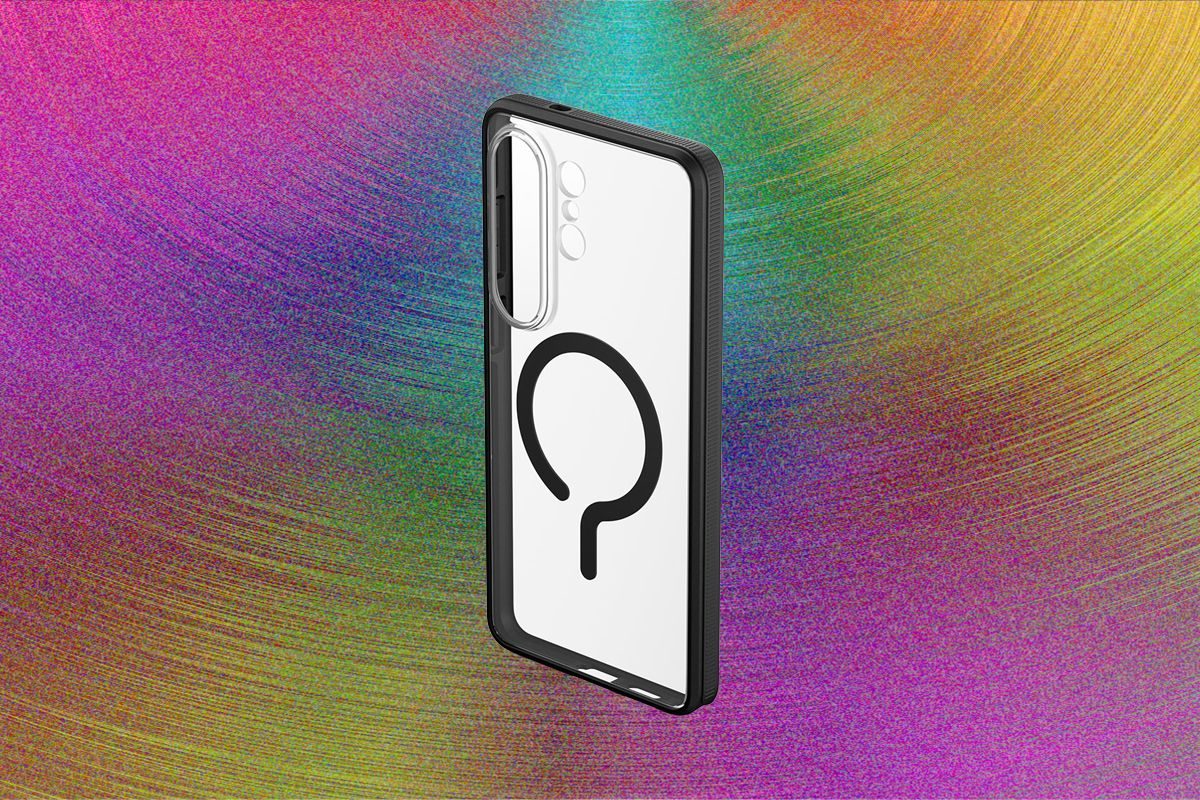
Multiple third party accessory manufacturers have announced the availability of protective cases and screen protectors designed for Samsung Electronics’ newly released Galaxy S26 smartphone series. The products are intended for the standard Galaxy S26, the larger S26+, and the premium S26 Ultra models. This development follows the global launch of the smartphones, which are now available to consumers in numerous markets.
The primary function of these accessories is to safeguard the devices from physical damage. This includes protection against scratches, impacts from accidental drops, and general wear and tear. The cases are manufactured by various independent companies, not by Samsung itself.
Product Categories and Features
The available cases fall into several distinct categories based on their design and intended use. Clear cases are designed to show the original color and design of the phone while offering a basic layer of protection. Rugged cases provide a higher degree of shock absorption, often incorporating multiple layers of materials like polycarbonate and thermoplastic polyurethane.
Another category includes slim or minimalist cases, which prioritize a thin profile and lightweight feel. Wallet cases incorporate additional functionality, such as slots for carrying identification cards or payment methods. Screen protectors, sold separately or sometimes bundled with cases, are thin layers of tempered glass or plastic applied directly to the phone’s display.
Market Context and Consumer Considerations
The release of accessories concurrent with a major smartphone launch is a standard industry practice. It provides consumers with immediate options for device protection. Industry analysts note that the market for smartphone accessories is a significant segment of the broader mobile technology ecosystem.
When selecting a case, consumers typically evaluate factors such as the level of protection offered, the material composition, the design aesthetics, and the overall price point. The fit for each specific phone model, the S26, S26+, or S26 Ultra, is a critical technical specification, as dimensions vary between the devices.
Manufacturers emphasize that proper case installation is important to ensure full functionality of the phone’s buttons, ports, and cameras. Some case designs also include raised edges around the screen and camera modules to prevent direct contact with surfaces when laid flat.
Material and Manufacturing Standards
The cases are produced using materials common to the accessory industry. These often include polycarbonate for structural rigidity and thermoplastic polyurethane for flexibility and grip. Some manufacturers highlight the use of antimicrobial coatings or recycled materials in their product descriptions.
Production follows standard manufacturing processes for consumer electronics accessories. Quality control measures vary by manufacturer and are intended to ensure consistency and proper fit for the intended smartphone model.
The accessory market operates independently from smartphone OEMs like Samsung, though some third party manufacturers seek to obtain official licensing for design compatibility. The availability of these products is global, with distribution handled through online retailers, electronics stores, and direct manufacturer websites.
Future Developments and Industry Outlook
As the Galaxy S26 series establishes its presence in the market, accessory manufacturers are expected to expand their product lines. This may include the introduction of new materials, collaborative designs with other brands, and iterative improvements based on early user feedback. The lifecycle of these accessories is typically tied to the commercial lifespan of the smartphones they are designed to protect.