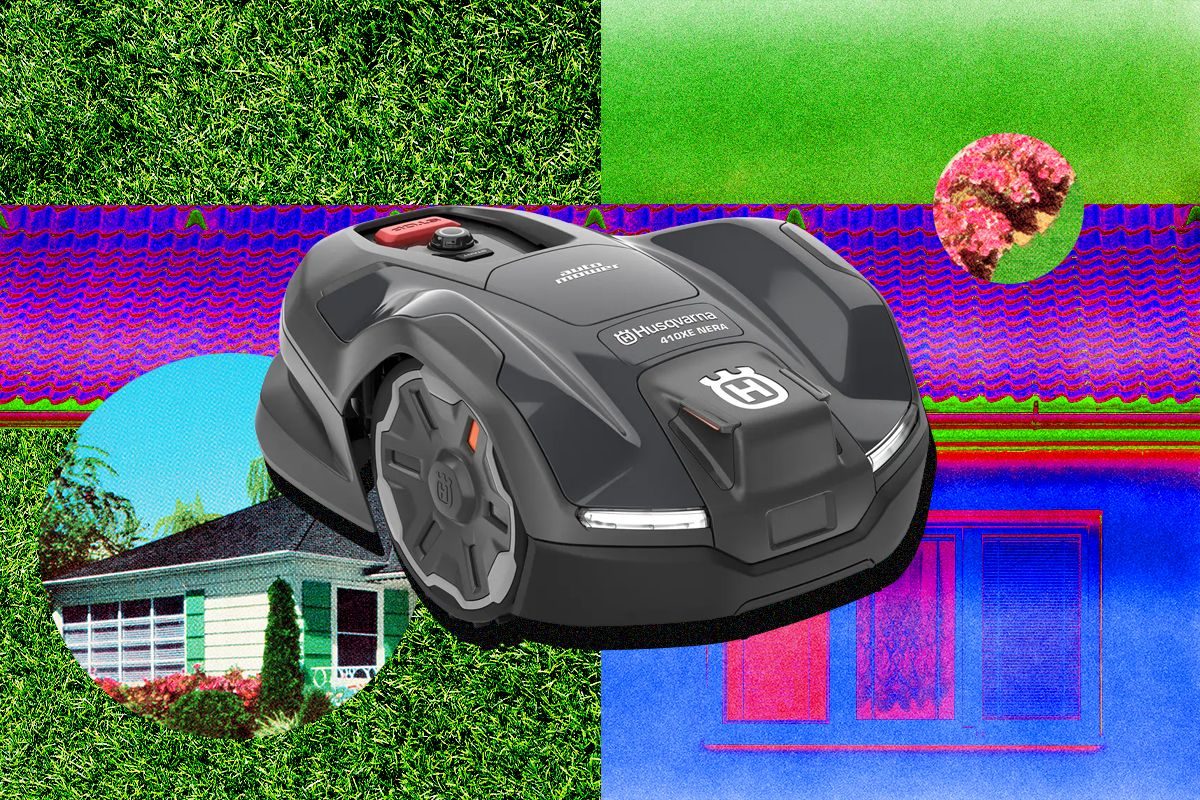
A new generation of autonomous lawn mowers has achieved a level of performance and reliability that makes them a viable alternative to traditional manual yard maintenance, according to recent industry testing and reviews. This development, reported in 2026, marks a significant point in the evolution of consumer robotics and smart home technology, with potential implications for household time management and the landscaping sector.
The technology utilizes a combination of onboard sensors, GPS guidance, and boundary wire systems to navigate and cut grass within a defined area. These devices are designed to operate with minimal human intervention after an initial setup period.
Technological Evolution and Market Context
The concept of robotic lawn mowers is not new, with early models entering the consumer market over two decades ago. Historically, these machines faced challenges related to navigation accuracy, cutting performance on uneven terrain, and durability. Continuous advancements in sensor technology, battery efficiency, and software algorithms have addressed many of these initial shortcomings.
The current generation of machines represents a convergence of several mature technologies. Improved lithium-ion battery systems allow for longer runtime and faster recharging. More sophisticated collision and lift sensors enhance safety for pets, people, and the device itself. Manufacturers have also refined the user interface, often integrating control and scheduling via smartphone applications.
Functional Capabilities and Considerations
These autonomous mowers function by cutting grass frequently, taking only a small amount off the top with each pass. This mulching method returns fine clippings to the lawn, which can act as a natural fertilizer. The consistent, frequent cutting is reported to promote healthier turf growth compared to less frequent, deeper cuts from traditional mowers.
Key operational factors include the necessity for perimeter definition, typically via a buried boundary wire, and the requirement for a relatively even terrain free of major obstacles. Weather resistance has also been a focus, with most models designed to return to a charging station during rain and resume mowing afterward.
The primary value proposition cited for these devices is the reclamation of time typically spent on weekly lawn care. This aligns with broader trends in home automation, where consumers increasingly invest in technology to automate routine domestic tasks.
Economic and Practical Factors
The acquisition cost for these robotic systems remains higher than that of most conventional push or riding mowers. This cost must be weighed against the long-term benefit of automated labor. The market for these devices has expanded to include models suited for a range of yard sizes, from small urban plots to larger suburban properties.
Maintenance requirements differ from traditional mowers. While there is no engine oil or gasoline to manage, the cutting blades require regular replacement, and the underside of the unit must be kept clean of grass buildup. The boundary wire, if damaged, may need repair to maintain proper navigation.
Future Developments and Industry Trajectory
Industry observers anticipate further refinement in the coming years. Expected developments include more advanced computer vision systems to reduce or eliminate the need for physical boundary wires. Improvements in battery technology could extend operational range and reduce charging times.
Integration with broader smart home ecosystems is also a likely area for growth, allowing lawn care schedules to be coordinated with other automated systems. As the technology matures and production scales, a gradual reduction in consumer cost is projected, which could increase adoption rates.
The progression of this technology reflects a wider movement toward the automation of outdoor domestic chores. Its increased reliability, as confirmed by recent evaluations, positions robotic lawn care as an established segment within the consumer robotics industry, with ongoing research and development focused on enhancing autonomy, efficiency, and user accessibility.