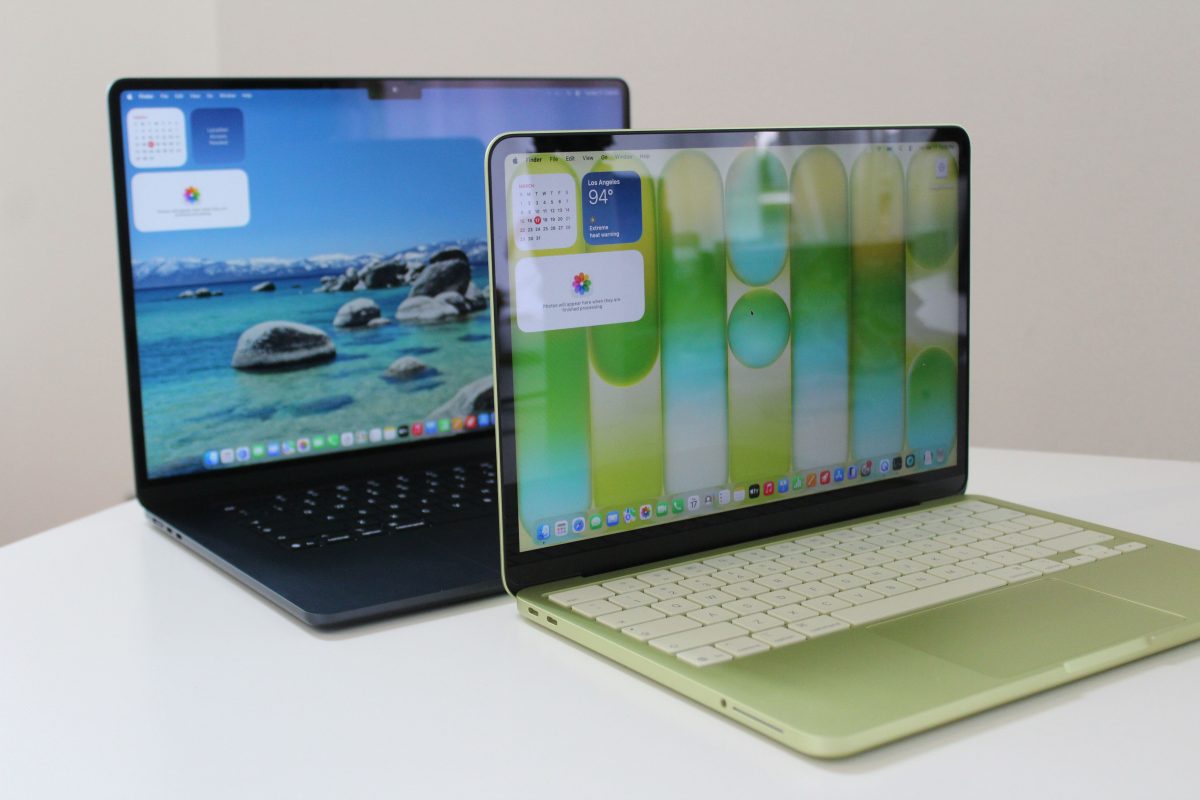
Technology analysts have completed extended evaluations of Apple’s MacBook Neo and MacBook Air laptop computers. The findings provide data for consumers considering a purchase between the two available models.
The assessments were conducted over several months to gauge performance, battery life, and usability in various scenarios. Both devices are currently available for purchase through Apple and authorized retailers globally.
Product Specifications and Market Context
Apple Inc. introduced the MacBook Neo as a new line within its portable computing portfolio. The MacBook Air remains a longstanding series known for its lightweight design.
Each model features distinct technical specifications regarding processors, display technology, and physical dimensions. These differences result in varied performance metrics and battery endurance ratings.
The company markets both laptops to professionals, students, and general consumers seeking macOS devices. The concurrent availability of two distinct models represents a strategic product segmentation common in the personal computing industry.
Reported Performance Characteristics
Testing protocols measured processing speed, thermal management, and power efficiency under sustained workloads. The evaluations included standard productivity applications, media playback, and light creative software tasks.
Battery life testing followed controlled procedures to simulate typical usage patterns. Results indicated variance in hours of operation between charges for the two devices.
Build quality, port selection, and display attributes were also documented. These factors contribute to the overall user experience and suitability for different mobile computing needs.
Consumer Decision Factors
Industry observers note that purchase decisions often hinge on individual requirements for processing power versus portability. Budget considerations also play a significant role, as the models are positioned at different price points.
Professional users may prioritize specific features like enhanced graphical capabilities or expanded memory configurations. Students and highly mobile users frequently emphasize weight and all-day battery performance.
The availability of detailed, long-term testing data assists potential buyers in aligning a device’s capabilities with their intended use cases. Such information is standard for major consumer electronics product categories.
Industry and Analyst Perspective
Market research firms track sales data for both laptop lines to determine consumer reception. Early adoption patterns often influence future product development and feature prioritization by manufacturers.
Technology review publications routinely perform comparative analyses when multiple products serve overlapping market segments. These reports are considered a standard resource for informed purchasing.
Apple has not publicly commented on the specific findings of these independent evaluations. The company typically references its own technical specifications and marketing materials for product comparisons.
Future Developments and Product Roadmap
Technology industry analysts anticipate continued iteration on both laptop series. Component advancements, particularly in processor efficiency and display technology, typically drive annual or biennial updates.
Consumer demand patterns observed from current model sales will inform Apple’s future design and specification choices. The competitive landscape, including offerings from other manufacturers, also influences long-term product strategy.
Official timelines for next-generation models are not publicly disclosed in advance. Product announcements generally follow industry event schedules, such as the company’s Worldwide Developers Conference or dedicated launch events.