Gamers across multiple platforms now have access to a wider range of specialized input devices designed to improve the interactive experience. This development follows consistent industry efforts to refine hardware ergonomics and functionality for the personal computer, Nintendo Switch, Sony PlayStation 5, and Microsoft Xbox Series X|S consoles. The availability of these peripherals is a direct response to player demand for more precise, comfortable, and versatile control methods.
The evolution of game controllers has become a significant focus for hardware manufacturers. These devices serve as the primary interface between the player and the game software. Their design directly influences gameplay accuracy, comfort during extended sessions, and accessibility for a diverse user base.
Platform Specific Developments
For personal computer gaming, the market supports a vast array of compatible controllers. Many are universal devices that connect via USB or wireless protocols, while others are officially licensed products originally designed for consoles. This flexibility allows PC users to select from numerous ergonomic designs and feature sets.
The Nintendo Switch utilizes its unique Joy-Con controllers, which offer both attached and detached handheld configurations. The platform also supports the Nintendo Switch Pro Controller, a more traditional gamepad design intended for home console use. Third-party manufacturers have also released compatible controllers for the system.
Sony’s PlayStation 5 is equipped with the DualSense wireless controller. This device incorporates adaptive triggers and haptic feedback technology, which are designed to provide more immersive tactile sensations corresponding to in-game actions. The controller’s features are supported by specific software titles developed for the PS5 platform.
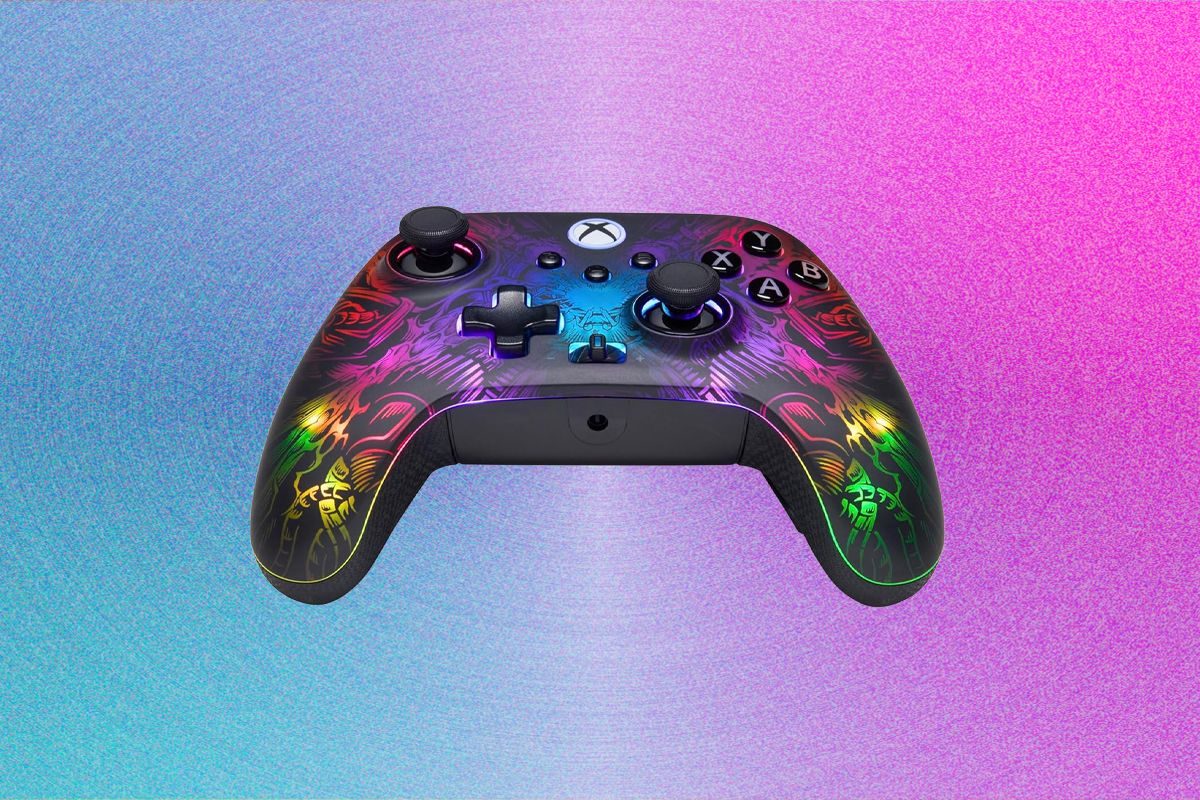
Microsoft’s Xbox Series X and Series S consoles use the updated Xbox Wireless Controller. It builds upon the design of previous generations with a refined shape, a dedicated Share button, and textured grips. The controller maintains broad compatibility with Windows PCs and is a common choice for cross-platform gamers.
Technical Considerations for Consumers
When evaluating controllers, several technical factors are routinely considered. Connection type, such as wired USB, Bluetooth, or proprietary wireless dongles, affects latency and convenience. Battery life is a key specification for wireless models, with performance varying significantly between products.
Ergonomics remain a subjective but critical area, as hand size and grip preference differ among users. Additional features like programmable back buttons, trigger stops, and swappable components are available on certain models, often categorized as premium or professional-tier equipment.
Compatibility is another essential factor. While many controllers are platform-specific, some are marketed as multi-platform devices. Users are generally advised to verify official compatibility lists from manufacturers before purchase to ensure full functionality.
The pricing for video game controllers spans a wide range. Standard first-party controllers from console manufacturers typically occupy a mid-range price point. Third-party offerings can be found at both lower and higher price tiers, often correlating with build quality and included features.
Industry analysts note that the controller market continues to segment, with products now targeting specific player niches. This includes designs focused on competitive esports, accessibility for players with disabilities, and classic retro gaming styles.
Looking ahead, the sector is expected to see continued incremental innovation. Focus areas likely include further refinement of haptic technology, improved battery efficiency, and deeper software integration for customization. New controller models are typically announced alongside major platform updates or during industry events such as the annual Electronic Entertainment Expo.