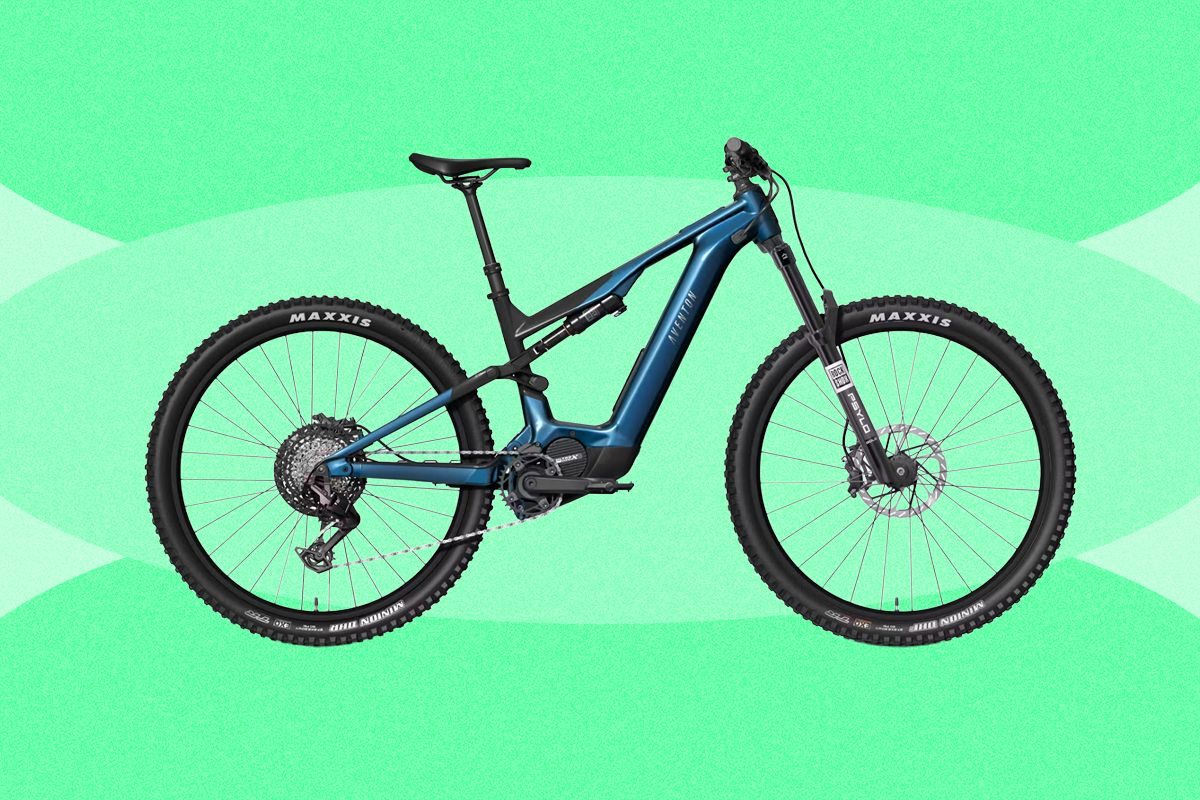
Aventon Bikes, a California-based manufacturer, has introduced a new electric mountain bike model designed for off-road terrain. The company announced the availability of the Aventon Current ADV this week. The release marks the brand’s continued expansion into the electric bicycle market, specifically targeting trail and mountain biking enthusiasts.
The new model is an electric mountain bike, or e-MTB, which integrates a motor to assist the rider’s pedaling. This technology is intended to aid cyclists on steep inclines and challenging trails.
Electric bicycles use a battery-powered motor to provide assistance, reducing the physical exertion required from the rider. This category of transportation has seen significant growth in recent years across North America, Europe, and parts of Asia.
Product Specifications and Features
The Aventon Current ADV is equipped with a mid-drive motor system. This configuration places the motor near the bike’s crankset, which is a common design for mountain bikes as it can improve weight distribution and handling.
The bike features a full suspension frame, which includes both front and rear shock absorbers. This design is standard for mountain bikes intended for rugged trail use to improve comfort and control.
It includes multiple levels of pedal assist, allowing riders to select the amount of motorized support they receive. The bike’s battery is integrated into the frame, and the company provides an estimated range per charge.
Market Context and Industry Trends
The global electric bicycle market has expanded rapidly. Industry analysts note increasing consumer interest in e-bikes for recreation, commuting, and fitness. The mountain bike segment represents a significant portion of this growth.
Several other established bicycle manufacturers and new companies have launched competing electric mountain bike models in the past two years. This has led to a wider variety of options available to consumers at different price points.
Regulations governing the use of electric bicycles, including where they can be ridden, vary by country and local jurisdiction. In many regions, e-MTBs are permitted on the same trails as traditional mountain bikes, though specific rules apply to motor power and speed.
Consumer and Expert Perspectives
Cycling industry reviewers who have tested similar electric mountain bikes often evaluate them on factors like motor performance, battery life, handling, and overall build quality. The primary stated advantage of such bikes is their ability to make challenging climbs more accessible to a wider range of riders.
Some traditional mountain biking advocates have expressed concerns about trail access and environmental impact as e-MTB usage increases. Land managers and trail advocacy groups in various regions are actively studying these issues to develop sustainable policies.
Proponents argue that electric mountain bikes can encourage more people to engage in outdoor activity and can help riders extend their range or recover from injury.
Future Developments and Industry Outlook
The electric bicycle industry is expected to continue its growth trajectory. Technological advancements are likely to focus on improving battery energy density, reducing motor weight, and enhancing integration with digital cycling computers and smartphones.
Manufacturers are anticipated to release further iterations of electric mountain bikes with refinements to existing features. Market competition is projected to increase as more companies enter the space.
Ongoing discussions regarding trail access, classification of electric bicycles, and infrastructure development will influence the adoption and use of e-MTBs in the coming years. Industry associations are working with policymakers to establish clear and consistent regulations.