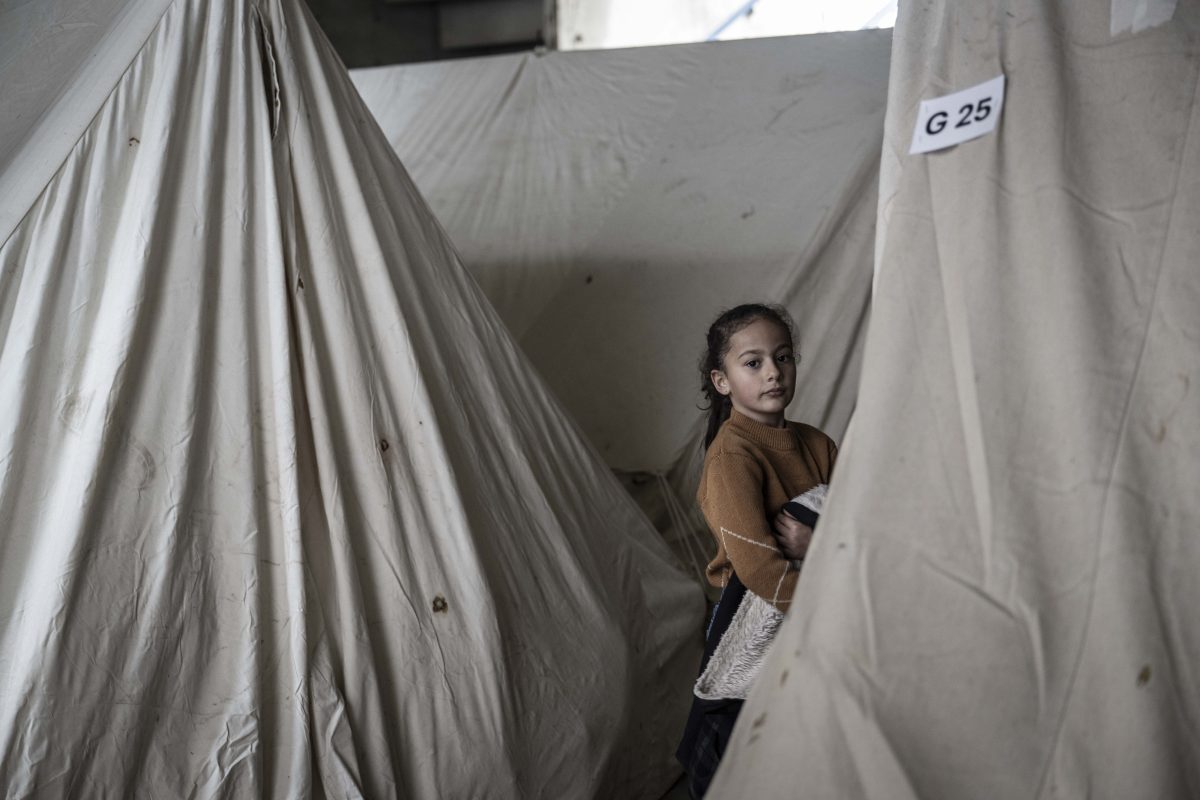
In response to a severe humanitarian crisis marked by the displacement of approximately one million people, Lebanon is increasingly utilizing digital wallet technology to facilitate the delivery of international aid. This shift is occurring as traditional institutions face significant challenges in distribution and public trust erodes. The technology enables direct financial transfers from diaspora donors and international organizations to affected individuals and families within the country.
The scale of displacement, stemming from ongoing regional conflicts, has placed immense strain on Lebanon’s infrastructure and social services. This situation has created an urgent need for efficient, transparent mechanisms to deliver essential financial assistance to vulnerable populations. Conventional aid channels have struggled with logistical hurdles and concerns over accountability.
Mechanism of Digital Aid Distribution
Digital wallets function as secure, electronic accounts accessible via mobile phones. Aid organizations and individual donors can load funds directly into these wallets designated for specific recipients. Beneficiaries can then use the digital currency to purchase necessities from a network of approved vendors or, in some implementations, withdraw cash.
This method bypasses many physical distribution bottlenecks. It reduces the need for transporting and securing large quantities of physical cash or goods, which can be risky in unstable environments. The technology also provides a verifiable digital trail for each transaction.
Addressing Institutional Distrust
The move toward digital systems coincides with widespread public skepticism toward traditional financial and governmental institutions in Lebanon. Years of economic crisis and political instability have diminished confidence in conventional banking and state-led aid programs. Digital wallets, often managed by regulated fintech firms or in partnership with international NGOs, are presented as a more transparent alternative.
Proponents argue that the technology minimizes opportunities for diversion or misuse of funds by ensuring money reaches its intended endpoint directly. Each transaction is recorded on a digital ledger, allowing donors and coordinating agencies to track the flow of aid with greater precision than traditional methods.
The involvement of the Lebanese diaspora has been a significant factor. Millions of Lebanese citizens living abroad have sought reliable ways to support relatives and communities back home. Digital wallet platforms provide a direct channel for these remittances, ensuring funds are used specifically for humanitarian needs.
Implementation and Partnerships
Several international humanitarian organizations, including the United Nations World Food Programme (WFP) and various non-governmental organizations, have piloted and scaled digital cash assistance programs in Lebanon. These programs often partner with mobile network operators and financial service providers to establish the necessary technological infrastructure.
Recipients are typically identified through vulnerability assessments conducted by aid agencies. Once registered, they receive notifications on their mobile devices and instructions on accessing their digital wallets. Training is frequently provided to ensure users, including those with low digital literacy, can effectively utilize the system.
The shift requires substantial coordination between humanitarian actors, financial regulators, and technology providers. Ensuring widespread mobile network coverage, managing cybersecurity risks, and establishing a broad network of participating merchants are all critical operational challenges.
Challenges and Limitations
Despite the potential benefits, the digital aid model faces obstacles. Not all displaced persons have consistent access to a smartphone or reliable mobile data, potentially excluding the most vulnerable. Power outages, common in Lebanon, can disrupt access to digital services.
Furthermore, the proliferation of different digital wallet platforms by various aid agencies can create confusion for recipients. There are also ongoing concerns regarding data privacy and the protection of sensitive personal information collected during registration.
Economists note that injecting digital cash into a fragile economy must be managed carefully to avoid inflationary pressures on local markets. Aid agencies monitor spending patterns to ensure the assistance supports local vendors without destabilizing prices for essential goods.
The future of this aid model in Lebanon will likely depend on its demonstrable effectiveness in the coming months. Key metrics include the speed of delivery, reduction in overhead costs, and feedback from recipient communities on usability and impact. International donors are watching closely, as the model could inform humanitarian responses in other crisis settings.
Officials from major aid organizations indicate plans to expand these digital programs if current evaluations prove positive. Next steps involve standardizing platforms across different agencies to reduce complexity and integrating more local small businesses into the vendor network. The timeline for these expansions is contingent upon securing continued funding and navigating Lebanon’s complex regulatory environment for financial technologies.