The four astronauts of NASA’s Artemis II mission have safely returned to Earth, concluding a journey that took them farther from our planet than any human has traveled before. The crew splashed down in the Pacific Ocean on Tuesday, marking the successful end of a critical test flight for the spacecraft designed to return humans to the Moon.
The Orion spacecraft, carrying NASA astronauts Reid Wiseman, Victor Glover, and Christina Koch, along with Canadian Space Agency astronaut Jeremy Hansen, completed its re-entry and parachute-assisted descent as planned. Recovery teams from NASA and the U.S. Department of Defense were stationed nearby and swiftly moved to secure the capsule and assist the crew.
This mission represents a major milestone for NASA’s Artemis program. The primary objective was to rigorously test the life support, communication, and navigation systems of the Orion spacecraft with a crew on board during a journey around the Moon. The data collected is essential for certifying the vehicle for longer, more complex lunar missions.
Mission Profile and Key Milestones
The Artemis II mission launched from Kennedy Space Center in Florida last week. After reaching Earth orbit and performing system checks, the spacecraft’s upper stage fired to send it on a trajectory toward the Moon. The crew did not land on the lunar surface but instead performed a flyby, using the Moon’s gravity to slingshot back toward Earth.
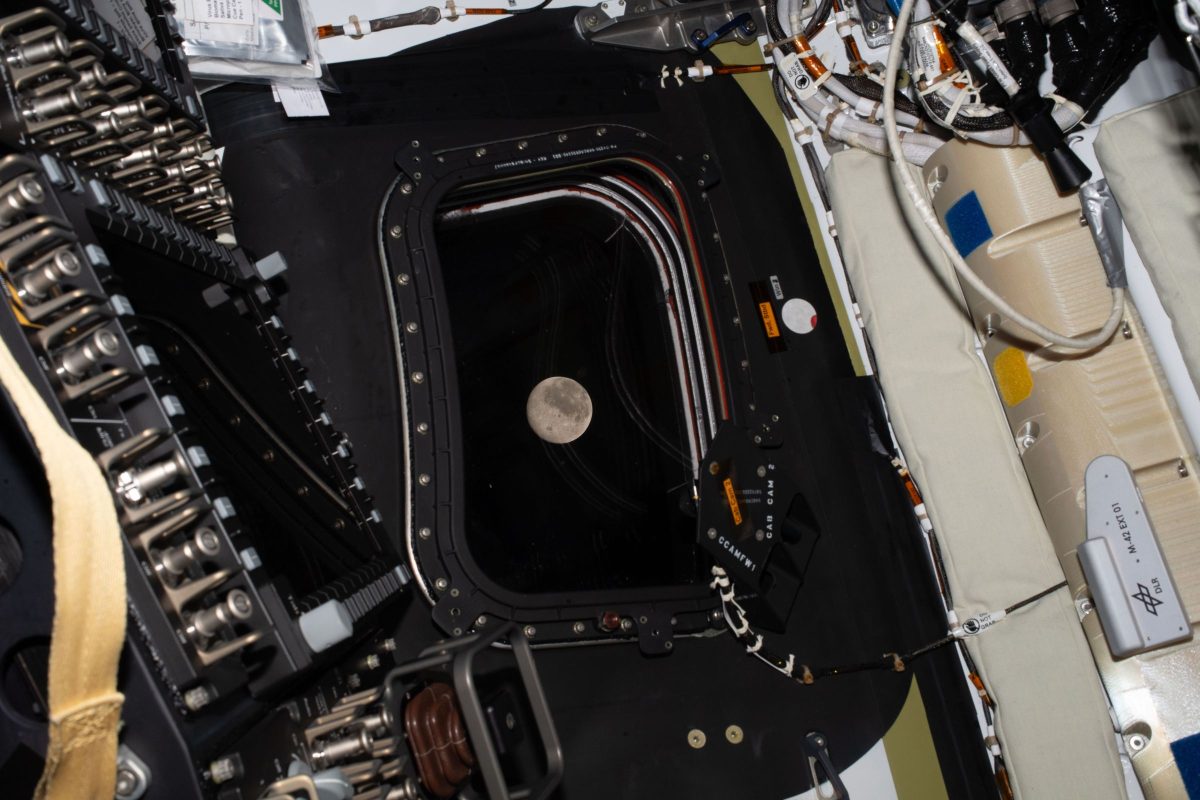
During the outbound trip, the spacecraft reached a maximum distance from Earth of approximately 268,500 miles. This surpasses the record set by the Apollo 13 mission in 1970. The crew conducted numerous tests of the spacecraft’s systems and communicated regularly with mission control in Houston throughout the flight.
Significance for Future Exploration
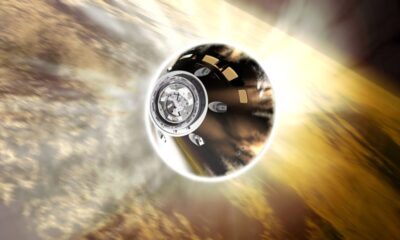
The safe return of the Artemis II crew validates key technologies needed for sustained human exploration beyond low-Earth orbit. It demonstrates the spacecraft’s ability to protect astronauts during high-speed re-entry, a phase where temperatures on the heat shield can reach nearly 5,000 degrees Fahrenheit.
International partners, including the Canadian Space Agency which contributed the Canadarm3 robotic system for the future Gateway lunar outpost, played a significant role. The mission’s success is seen as a collective achievement for the global coalition supporting the Artemis program.
Official Statements and Crew Condition
NASA Administrator Bill Nelson stated that the mission paves the way for the next generation of explorers. He emphasized that the lessons learned are directly applicable to the planned Artemis III mission, which aims to land astronauts near the lunar South Pole.
Initial reports from the recovery team indicate all four astronauts are in good health and high spirits. They will undergo standard post-mission medical evaluations and readjustment procedures. The crew is expected to participate in a post-flight news conference later this week.
With the Artemis II test flight complete, NASA engineers will now begin a comprehensive review of all flight data. This includes detailed analysis of the spacecraft’s performance, the crew’s first-hand experiences, and the effectiveness of the recovery operations. The findings will inform final preparations and any necessary adjustments for the subsequent Artemis missions, which have the stated goal of establishing a sustainable human presence on the Moon.