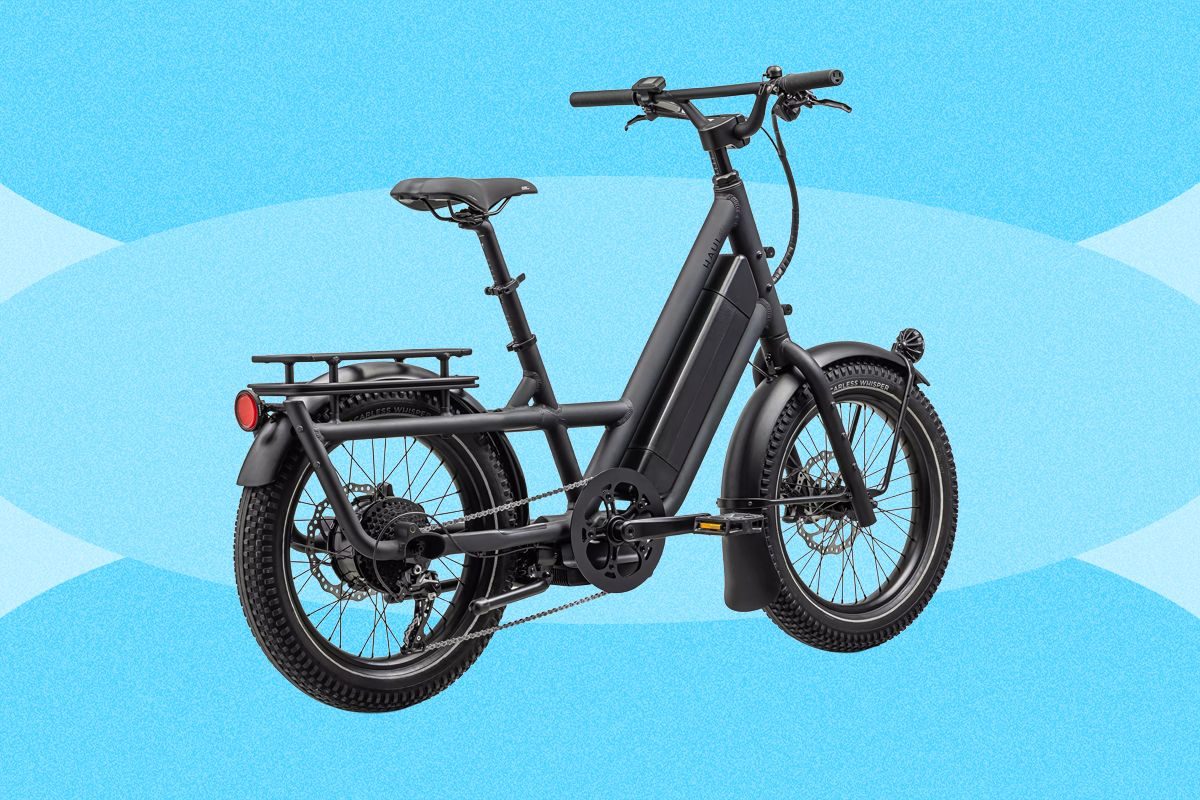
Electric cargo bicycles are increasingly being adopted in cities worldwide as a functional alternative to motor vehicles for transporting passengers and goods. This trend is driven by growing urban congestion, environmental concerns, and advancements in electric bicycle technology.
These specialized bicycles feature extended frames or integrated storage boxes designed to carry significant loads. Electric pedal-assist motors provide power to help riders manage heavier cargo and navigate varied terrain.
Market and Manufacturer Landscape
The market for electric cargo bikes includes established bicycle manufacturers and new companies specializing in electric mobility. Models vary in design, with some prioritizing child transport and others optimized for commercial delivery services.
Companies such as Urban Arrow, Tern, and Lectric are among the many brands producing these vehicles. Industry analysts note that the sector is experiencing rapid innovation and increasing competition.
Functional Considerations for Consumers
Prospective buyers are advised to consider several practical factors. Key considerations include the bike’s load capacity, battery range, overall dimensions for storage, and local regulations governing electric bicycle use.
The intended primary use, whether for family logistics or commercial purposes, significantly influences the suitable model type. Safety features, including lighting and braking systems, are also critical evaluation points.
Test rides are widely recommended by consumer advocacy groups to assess handling characteristics under load. Independent reviews and technical specifications provide additional data for comparison.
Broader Transportation Context
The rise of electric cargo bikes coincides with broader shifts in urban mobility planning. Many municipal governments are expanding bicycle infrastructure and reviewing policies to accommodate larger, utility-focused cycles.
This mode of transport is generally recognized for reducing traffic congestion and local air pollution compared to fossil fuel-powered vehicles. Its adoption is part of a larger movement toward micromobility solutions.
Challenges remain, including the need for secure parking, initial purchase cost, and integration with existing traffic systems. These factors are subjects of ongoing research and policy discussion.
Future Developments and Industry Outlook
The electric cargo bike industry is expected to continue its evolution through 2026 and beyond. Anticipated developments include improvements in battery energy density, motor efficiency, and smart connectivity features.
Market forecasts suggest sustained growth, particularly in North America and Europe. Industry observers will monitor regulatory developments, technological standardization, and the expansion of dedicated cycling networks as key factors influencing future adoption rates.