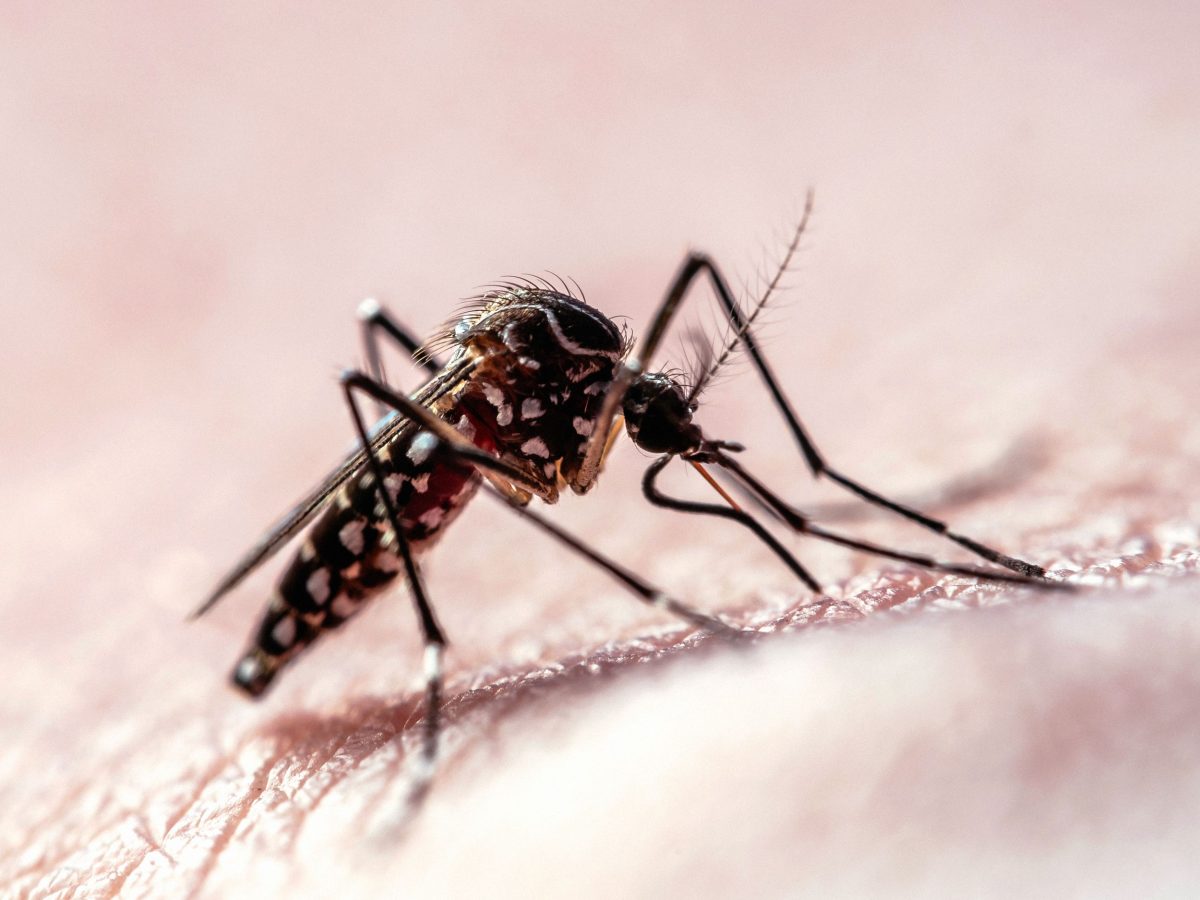
Researchers have successfully quantified the specific factors that attract mosquitoes to human beings, according to a new scientific study published this week. The research, conducted by an international team of entomologists and published in a peer reviewed journal, provides a detailed analysis of insect flight behavior. This advancement is significant for global public health efforts aimed at combating mosquito borne diseases such as malaria, dengue, and Zika virus.
The study employed high resolution tracking technology to monitor mosquito flight paths in controlled environments. Scientists recorded how the insects navigated toward human subjects under various conditions. The data revealed precise behavioral patterns previously unmeasured at this scale.
Background on Mosquito Borne Threats
Mosquitoes are considered one of the world’s most dangerous animals due to their role as vectors for deadly pathogens. The World Health Organization estimates that mosquito borne illnesses cause hundreds of thousands of deaths annually. Traditional control methods, including insecticides and bed nets, have faced challenges from insecticide resistance and implementation gaps.
The persistent global health burden has driven scientific inquiry into more effective and targeted intervention strategies. Understanding the fundamental attraction mechanisms is a critical step in this process.
Research Methodology and Key Findings
The research team constructed a specialized flight arena equipped with motion capture cameras and sensors. They released mosquitoes into this space and introduced human scent cues and other potential attractants from a distance.
By analyzing thousands of individual flight trajectories, the scientists identified consistent navigational strategies. The data shows mosquitoes do not fly randomly but follow a series of targeted maneuvers influenced by specific chemical and physical signals emitted by humans.
These signals include carbon dioxide exhalation, body heat, and particular skin odors. The study measured the relative importance and effective range of each factor in guiding mosquito flight. This quantitative data set provides a new evidence base for previous observational theories.
Implications for Disease Control Technology
The primary application of this research lies in the development of next generation mosquito traps and deterrents. Current trapping technology often uses generic attractants like light or carbon dioxide alone. The new data allows for the engineering of devices that more accurately mimic the complex profile of a human host.
Such targeted traps could potentially be more efficient at capturing specific disease carrying species. Increased trap efficiency could lead to better monitoring of mosquito populations and more effective localized control campaigns. This represents a move toward precision in vector control, similar to advancements in other fields of technology.
Researchers emphasize that this is a tool for integration into existing public health strategies, not a standalone solution. The findings are considered a contribution to the broader technological fight against vector borne diseases.
Scientific and Public Health Reaction
Independent experts in entomology and epidemiology have described the study as a substantial technical achievement. The ability to translate biological behavior into quantifiable flight data is noted as a key innovation. Public health officials have acknowledged the potential long term utility of the research for informing trap design guidelines.
Several institutions have highlighted the importance of field validation as a necessary next step. Laboratory conditions, while controlled, do not fully replicate the complexities of natural environments where competing attractants exist.
Ethical considerations regarding data collection were addressed through standard institutional review board protocols for human subject involvement. All participant consent was obtained prior to the study’s commencement.
Next Steps and Future Development
The research team has indicated that further studies are planned to test trap prototypes designed using their flight path models. These field trials are scheduled to begin in several endemic regions within the next 18 months. The timeline for any commercial or widespread deployment of new trap designs based on this research will depend on the outcomes of these efficacy and safety trials.
Concurrently, other research groups are expected to build upon this published data set. The open access nature of the core findings allows for broader scientific collaboration. The next phase of research will likely focus on disrupting identified flight patterns as a method of non chemical intervention.