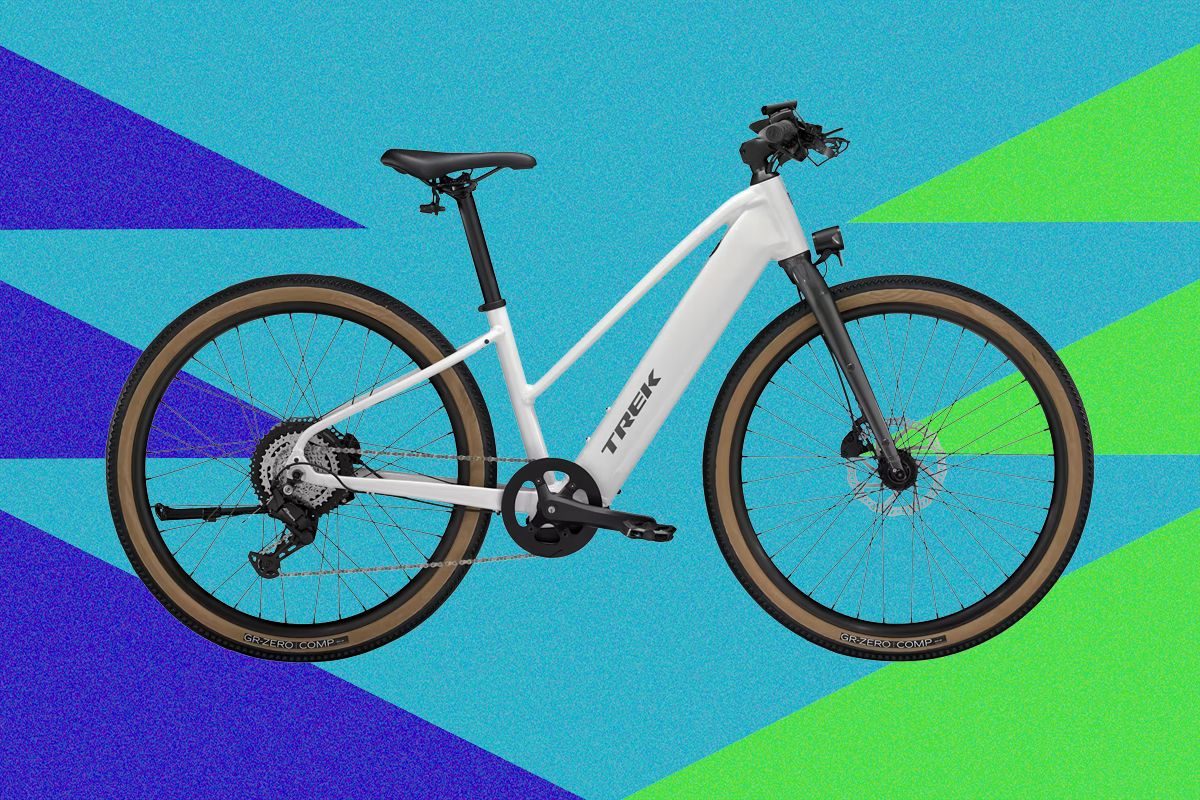
A comprehensive evaluation of electric bicycles available in 2026 has been completed. The assessment covered multiple categories of e-bikes, including models designed for commuting, mountain terrain, folding, and casual cruising.
The testing process involved a direct, hands-on examination of numerous models. This approach allowed for a comparative analysis of performance, features, and suitability for different riding purposes.
Scope of the Evaluation
The review was not limited to a single type of electric bicycle. It encompassed a broad range of designs to address diverse consumer needs and riding environments.
Commuter electric bikes were a primary category. These models are typically used for urban transportation and daily travel to workplaces or other destinations.
Electric mountain bikes, or e-MTBs, designed for off-road trail use were also evaluated. These bicycles incorporate motors and batteries built to withstand rugged conditions.
The assessment included folding electric bikes, which are compact and designed for easy storage and multi-modal travel. Additionally, electric cruiser bikes, often used for relaxed recreational riding, were part of the testing.
Industry Context and Growth
The global electric bicycle market has seen significant expansion in recent years. Analysts attribute this growth to factors including increased urban congestion, a focus on sustainable transportation, and advancements in battery technology.
Lithium-ion battery efficiency and motor power have improved across the industry. These technological improvements have extended the average range per charge for many models.
Regulations governing electric bicycles, such as classifications based on motor power and maximum assisted speed, continue to vary by region. Manufacturers design products to comply with these local legal frameworks.
Consumer Considerations
Potential buyers are advised to consider several factors when selecting an electric bicycle. Key considerations include the intended use, required range, local terrain, and applicable local laws.
The weight of the bicycle, including its battery, affects portability and handling. Battery charging time and the availability of replacement parts are also practical concerns for owners.
Safety features, such as lighting systems and brake performance, are critical components. Many modern e-bikes integrate these features with the bicycle’s electrical system.
Market Developments and Future Outlook
The electric bicycle industry is characterized by ongoing innovation. Companies continue to research improvements in motor efficiency, battery energy density, and integrated connectivity features.
Industry observers anticipate further consolidation and competition among manufacturers. This environment is expected to drive continued refinement of product offerings and potentially affect pricing.
Infrastructure development, such as the expansion of dedicated bicycle lanes and charging stations in some cities, may influence adoption rates. Municipal transportation policies are increasingly factoring electric bicycles into long-term planning.
Future product evaluations will likely monitor these evolving trends. Subsequent assessments will track advancements in technology, shifts in consumer preferences, and updates to safety standards as the market matures.