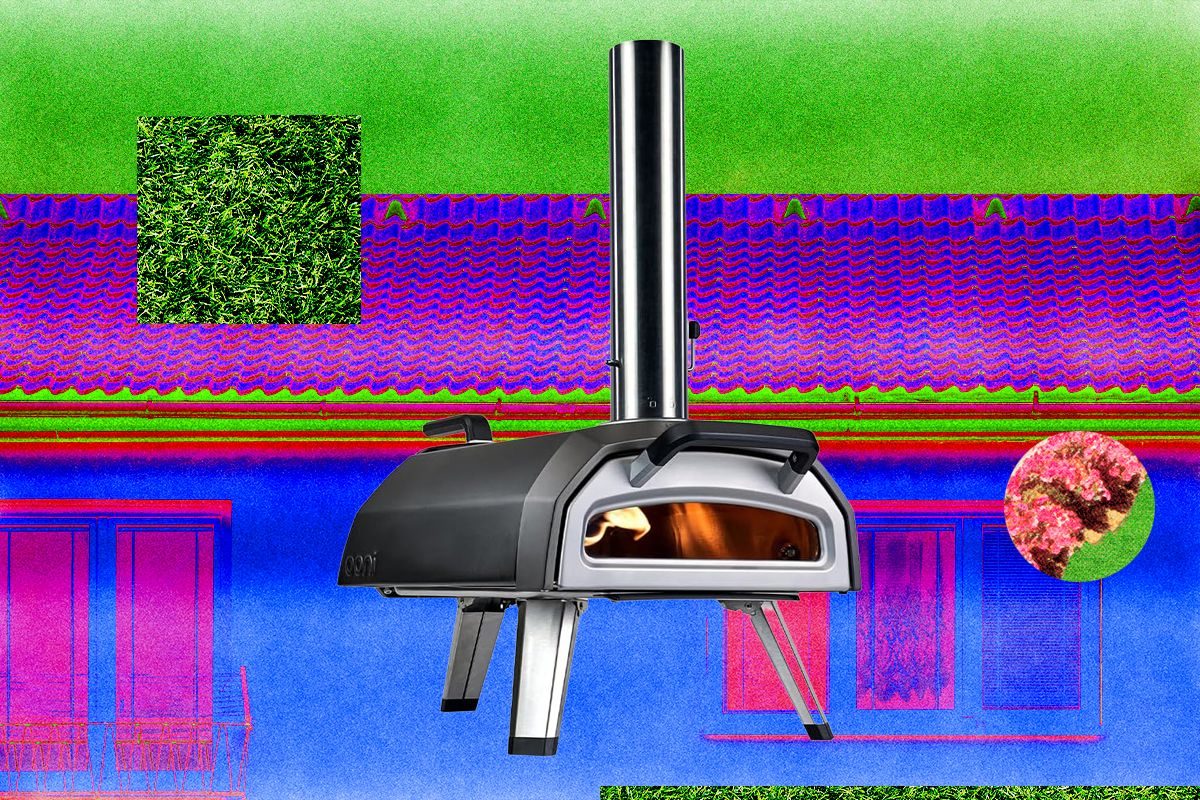
The market for outdoor pizza ovens has expanded significantly, with manufacturers offering a wide range of models powered by wood, gas, and propane. This growth reflects a broader consumer trend toward specialized outdoor cooking appliances. Industry analysts note the development coincides with increased interest in home entertainment and gourmet outdoor dining experiences.
These appliances are designed for installation in backyards, patios, and other open-air settings. They operate at significantly higher temperatures than standard indoor kitchen ovens. The elevated heat is necessary to achieve specific culinary results associated with traditional pizza baking methods.
Primary Fuel Types and Operational Characteristics
Outdoor pizza ovens are primarily categorized by their fuel source. Wood-fired models utilize hardwood logs or specialized pellets to generate heat and impart a characteristic smoky flavor to food. Gas and propane ovens connect to natural gas lines or portable tanks, offering users precise temperature control and quicker startup times.
The construction materials for these ovens vary. Common materials include refractory brick, ceramic, and various grades of stainless steel. Each material has distinct properties affecting heat retention, durability, and overall cooking performance.
Factors Influencing Consumer Selection
Prospective buyers typically consider several technical specifications. Maximum achievable temperature, measured in degrees Fahrenheit or Celsius, is a key performance metric. Heating time, the duration required to reach optimal cooking temperature, is another practical consideration for users.
Physical dimensions and installation requirements are also major factors. Consumers must assess the available space in their outdoor living areas. The need for a stable, non-combustible base and adequate clearance from structures is a standard safety requirement for all permanent models.
Price points for these appliances show considerable variation. Market offerings range from relatively affordable portable units to high-end, permanently installed models. This price spectrum accommodates different consumer budgets and intended usage frequencies.
Safety and Regulatory Considerations
Manufacturers of outdoor cooking appliances must adhere to regional and international safety standards. These regulations govern materials, construction, and operational safety features. Consumers are advised to verify that any model under consideration carries relevant safety certifications from recognized testing laboratories.
Proper installation and operation are critical for safe use. This includes ensuring adequate ventilation, maintaining a clear area around the oven during use, and having appropriate fire safety equipment accessible. Following the manufacturer’s operational guidelines is essential.
Industry associations provide resources on safe outdoor cooking practices. These guidelines are publicly available and are frequently updated to reflect new technologies and safety research.
Market Trends and Future Developments
The outdoor cooking appliance sector continues to evolve. Manufacturers are reportedly investing in research to improve thermal efficiency and reduce fuel consumption. Innovations in insulation materials and burner design are ongoing areas of development within the industry.
Integration with smart home technology is an emerging trend. Some newer models offer features like digital temperature monitoring and control via smartphone applications. This technological integration aims to provide users with greater convenience and precision.
Market analysts project steady growth in this product category for the foreseeable future. This expectation is based on sustained consumer interest in outdoor living and home culinary projects. Industry events and trade shows frequently showcase new models and technological advancements in outdoor pizza oven design.