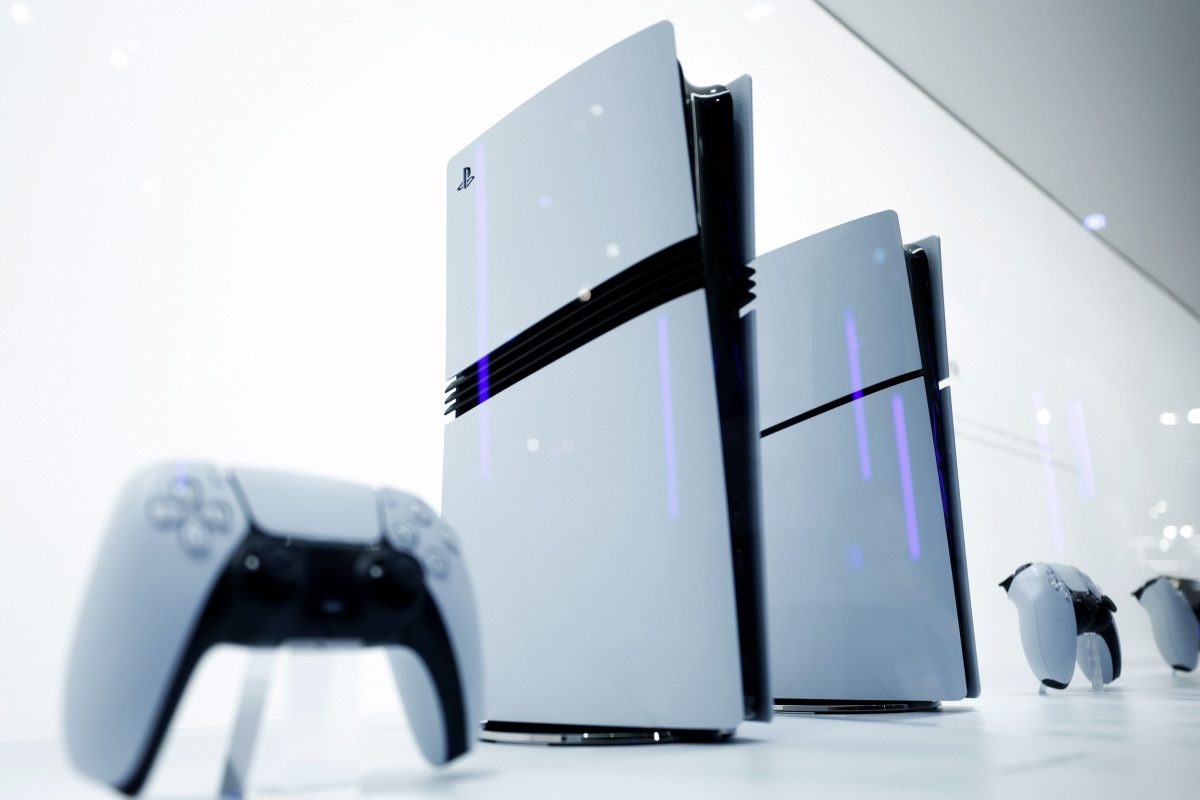
TOKYO, Japan – Sony Interactive Entertainment announced a price increase for its PlayStation 5 console in several major markets outside the United States. The change, effective immediately, was attributed by the company to high global inflation rates and adverse currency trends.
The adjustment affects numerous regions, including Europe, the United Kingdom, Japan, China, Australia, Mexico, and Canada. In the United Kingdom, the standard PS5 disc edition will now retail for £479.99, an increase of £30. The digital edition will rise by the same amount to £389.99.
In the European Union, prices will increase by 50 euros across models. Japan will see a price hike of over 10%, with the standard console rising to 60,478 yen. The company stated that the price in the United States will not change at this time.
Company Statement on Economic Factors
In an official blog post, Sony Interactive Entertainment CEO Jim Ryan explained the decision. He cited the challenging global economic environment as the primary reason for the adjustment.
“The global economic environment is a challenge that many of you around the world are no doubt experiencing,” Ryan stated. “We’re seeing high global inflation rates, as well as adverse currency trends, impacting consumers and creating pressure on many industries.”
The company emphasized that the decision was necessary to maintain its strategic objectives. It expressed gratitude for the continued support of the PlayStation community during what it described as uncertain times.
Context of the Current Console Generation
The PlayStation 5 launched worldwide in November 2020. Its release coincided with the beginning of a global semiconductor shortage and supply chain disruptions, which constrained availability for an extended period.
Industry analysts note that console generations have historically lasted between six and eight years. The previous generation, featuring the PlayStation 4 and Xbox One, began in 2013. Major new hardware releases from console manufacturers typically mark the start of a new generation.
Neither Sony nor its main competitor, Microsoft, has announced a successor to their current-generation consoles. Microsoft has not indicated any plans to raise prices for its Xbox Series X and Series S consoles.
Industry and Analyst Reactions
The announcement has drawn attention from market analysts and industry observers. Some analysts view the move as unusual, as console prices traditionally decrease over a product’s lifecycle, not increase.
Others interpret the price hike as a sign of confidence in the current platform’s longevity. A mid-generation price increase is seen by some as an indicator that Sony does not anticipate a new console launch in the immediate future.
The decision also highlights the ongoing economic pressures facing global consumer electronics manufacturers. Companies are navigating increased costs for components, logistics, and currency fluctuations.
Market Implications and Consumer Impact
The price change comes as supply for the PS5 has improved in many regions after years of scarcity. Sony has reported shipping over 21 million units in the past fiscal year, signaling a recovery in production.
For consumers in affected regions, the immediate impact is a higher cost of entry for the PlayStation 5 ecosystem. The change applies to new purchases from retailers and direct sales channels.
Industry tracking suggests that software sales and subscription services like PlayStation Plus remain critical revenue streams for platform holders. The installed base of consoles is a key driver for these ongoing services.
Looking Ahead
Sony has not provided any updated timeline for a potential hardware revision or a next-generation console. The company’s focus remains on meeting demand for the existing PS5 model and expanding its game and service offerings.
Market observers will monitor sales data in the coming quarters to assess the impact of the price adjustment on consumer demand. The company’s next major financial briefing is expected to provide further context on its strategy for the PlayStation business.
Microsoft and Nintendo, the other major players in the console market, have not announced similar price increases for their current hardware. The industry’s response to ongoing economic challenges will likely continue to evolve in the months ahead.