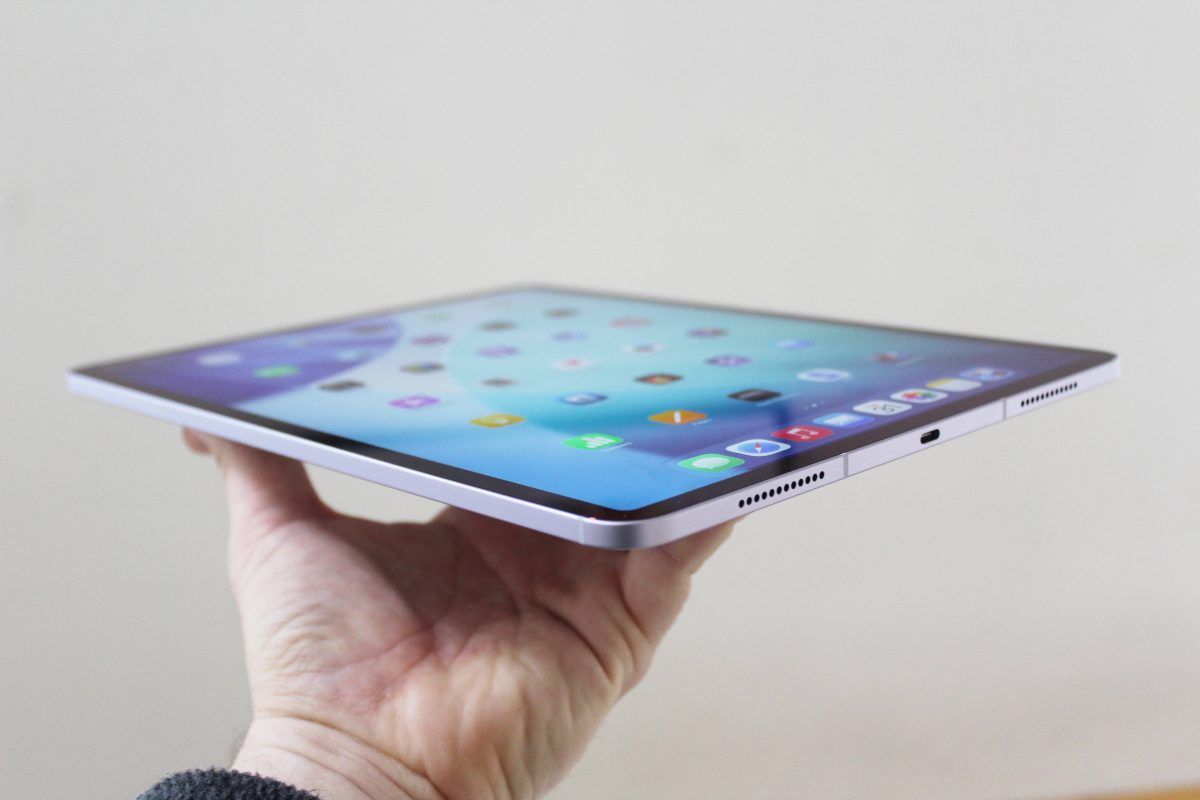
Apple Inc. continues to offer a range of tablet computers under the iPad brand in 2026, providing consumers with multiple models to consider. The company’s current selection includes the iPad Air, iPad Pro, and iPad Mini, each designed with different specifications and intended use cases. This variety necessitates a clear comparison for potential buyers navigating the global consumer electronics market.
The iPad lineup represents a significant segment of the tablet computer industry. These devices run on Apple’s proprietary iPadOS operating system and are utilized for tasks ranging from professional content creation to personal entertainment and education. The continued development and sales of these models are closely watched as indicators of trends in mobile computing and digital device adoption.
Product Segmentation and Market Position
Apple’s strategy involves differentiating its tablet models primarily by screen size, processing power, and accessory compatibility. The iPad Pro models typically feature the most advanced processors and displays, positioning them for professional and high-performance applications. In contrast, the iPad Air is often described as a balance between performance and price, aimed at a broader consumer base.
The iPad Mini maintains a smaller form factor, which appeals to users seeking portability. Each model’s technical specifications, including chipset, RAM, storage options, and display technology, are publicly detailed by Apple on its official website and in product documentation. These specifications form the basis for objective comparison between the devices.
Consumer Decision Factors
Industry analysts note that consumer choice among iPad models frequently depends on intended use, budget constraints, and existing ecosystem compatibility. For instance, integration with other Apple services and devices is a consideration for many users. The availability of accessories like the Apple Pencil and Magic Keyboard also varies across the lineup, affecting functionality for note-taking or typing-intensive tasks.
Battery life, measured in hours of typical use, and connectivity options, such as cellular capabilities versus Wi-Fi only models, are additional practical factors for buyers. These aspects are routinely evaluated by independent technology review organizations, which publish their findings based on standardized testing protocols.
Pricing for the iPad family spans a considerable range, reflecting the different tiers of hardware and features. This pricing structure allows the products to address multiple market segments simultaneously, from entry-level users to enterprise clients. Official prices are set by Apple and can vary by region due to local taxes, tariffs, and distribution costs.
Industry Context and Development
The tablet market has evolved since the first iPad’s introduction, with increased competition from manufacturers using other operating systems like Android and Windows. Apple’s annual refresh cycle for its iPad models typically involves incremental updates to processors, cameras, and displays. Major redesigns occur less frequently and are often announced at dedicated company events.
Software support longevity is a noted characteristic of Apple’s iPad products, with older models often receiving operating system updates for several years. This policy impacts the long-term value and usability of a device, influencing purchase decisions for users who plan to keep a tablet for an extended period.
Supply chain reports and analyst forecasts frequently speculate on future iPad developments, including potential new form factors or the integration of emerging technologies. However, Apple’s official product roadmap and specific release dates for new models are not publicly disclosed in advance, leading to a market environment where consumers must evaluate currently available options.
Looking ahead, industry observers anticipate Apple will continue its pattern of updating the iPad family throughout 2026 and into 2027. The focus is expected to remain on performance improvements, display enhancements, and deeper integration with the company’s broader ecosystem of services and devices. Any official announcements regarding new models, discontinuations, or significant specification changes will be made through Apple’s standard corporate communication channels.