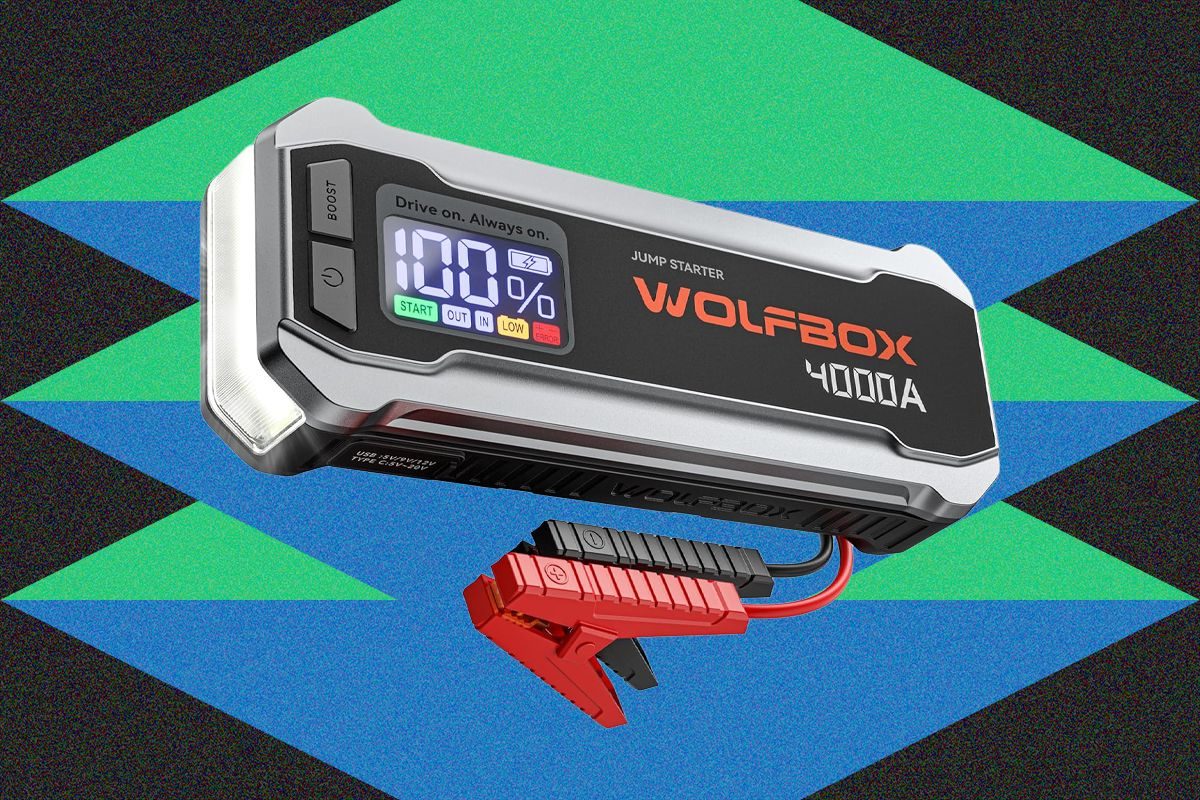
A new generation of portable jump starting devices has entered the market, providing motorists with an alternative to traditional roadside assistance. These compact units are designed to restart vehicle batteries without the need for a second vehicle or a mains power source. Their development is part of a broader trend toward consumer-level automotive power solutions.
The devices function as high-capacity lithium-ion power banks equipped with specialized jumper cables. They store sufficient electrical energy to deliver the high-amperage surge required to start a gasoline or diesel engine with a depleted battery. Once used, they can be recharged via standard household outlets or, in some models, from a vehicle’s 12-volt accessory port or solar panels.
Technical Specifications and Safety Features
Modern portable jump starters are distinguished by their power output, measured in peak and cranking amps, and their battery capacity, measured in milliamp-hours (mAh). Higher ratings generally indicate an ability to start larger engines or perform multiple jumps on a single charge. Manufacturers have integrated numerous safety protocols to prevent damage to vehicle electronics. These include reverse polarity protection, spark-proof connections, and safeguards against over-current, over-charge, and short-circuit conditions.
The physical design of these products emphasizes portability and durability. Most units are housed in impact-resistant cases and weigh significantly less than traditional booster packs. This makes them suitable for storage in a vehicle’s trunk or glove compartment. Many also include additional features such as built-in LED flashlights, emergency strobes, and USB ports for charging mobile phones and other electronic devices.
Market Context and Consumer Considerations
The availability of these devices coincides with increasing consumer interest in self-reliance tools for automotive emergencies. Industry analysts note a correlation between their adoption and the widespread use of start-stop engine technology, which can place greater strain on conventional car batteries. When selecting a unit, experts recommend consumers verify its compatibility with their vehicle’s engine size and type. Regular maintenance of the jump starter’s internal battery is also cited as crucial for ensuring reliability when needed.
Product testing is routinely conducted by independent consumer organizations and automotive publications. These evaluations typically assess real-world starting performance under various temperature conditions, the longevity of the internal battery, and the clarity of user instructions. The findings from such tests are publicly available and can inform purchasing decisions.
Industry standards for safety and performance, set by international bodies like the International Electrotechnical Commission (IEC), guide the manufacturing process. Compliance with these standards is a key factor in product development for major electronics firms involved in this sector.
Future Developments and Industry Outlook
The next phase of development for portable power devices is expected to focus on integration with electric and hybrid vehicles. While the jump-starting function is irrelevant for pure electric vehicle propulsion batteries, these units could serve as emergency power sources for their 12-volt auxiliary systems. Further miniaturization of components and the adoption of newer battery chemistries, such as lithium iron phosphate (LiFePO4), which offer enhanced thermal stability, are anticipated. Industry conferences scheduled for the latter half of the year are expected to showcase these technological advancements. Market research firms project steady growth in the category, driven by continued innovation and consumer demand for preparedness solutions.