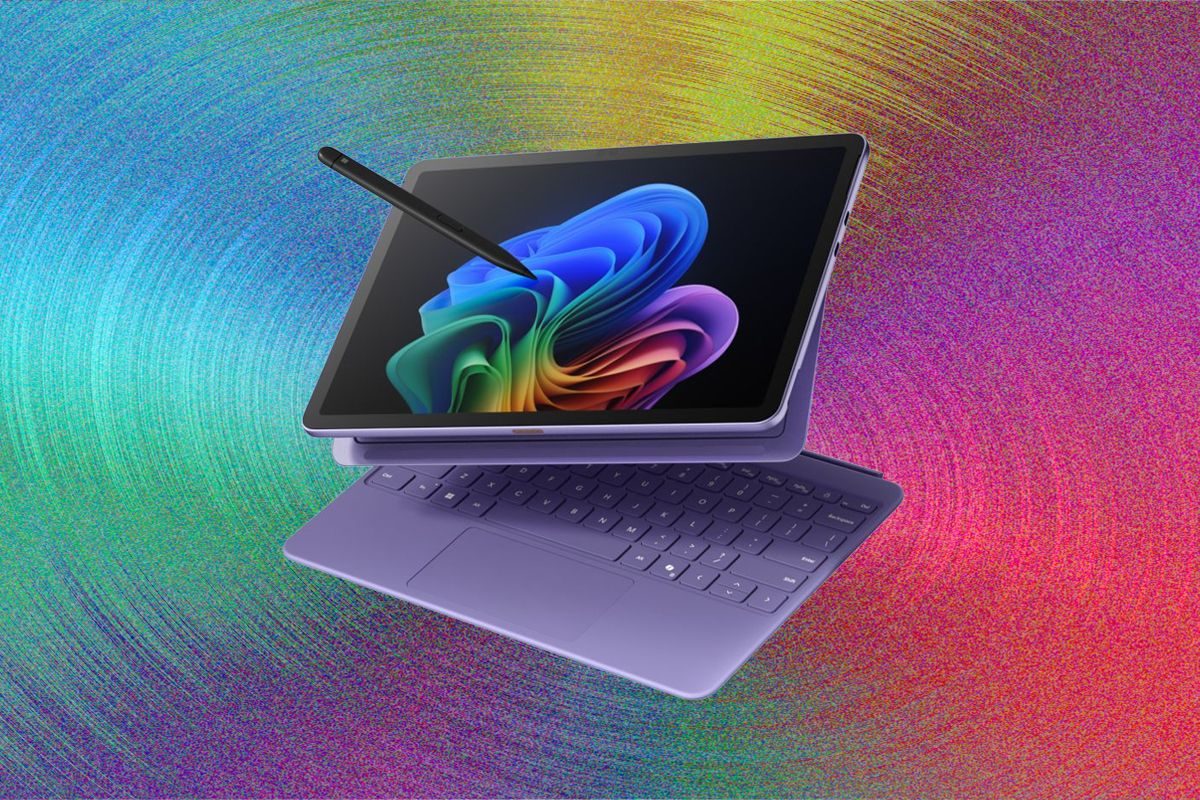
The market for convertible computing devices, commonly known as 2-in-1 laptops, continues to evolve in 2026. Major technology firms, including Microsoft, Lenovo, and Apple, are central to this product category. These devices are defined by their ability to function as both a standard laptop and a tablet.
This is achieved through either a detachable keyboard or a screen that rotates on a hinge. The design philosophy aims to provide a single device capable of handling both content creation and content consumption tasks. Industry analysts note this reflects a sustained demand for versatile personal computing solutions.
Defining the Hybrid Form Factor
The core characteristic of a 2-in-1 device is its dual functionality. A detachable design allows the screen portion to separate completely from its keyboard base, operating as an independent tablet. The convertible design, often featuring a rotating hinge, allows the laptop screen to fold back or twist into a tablet-like orientation without physical separation.
This flexibility is a key selling point for users who require both a physical keyboard for productivity and a touchscreen for media or casual use. The convergence addresses multiple use cases, from business presentations to educational applications and personal entertainment.
Key Industry Participants
Microsoft’s Surface Pro line remains a benchmark for detachable Windows-based devices. These products typically run full desktop operating systems and support accessory pens for digital inking. The company has consistently updated this line with new processors and display technologies.
Lenovo offers a wide range of 2-in-1 devices under its Yoga and ThinkPad series. The company’s designs often emphasize robust hinge mechanisms that enable the convertible form factor. Lenovo’s portfolio caters to both consumer and enterprise market segments.
Apple’s iPad Pro, when paired with the company’s Magic Keyboard accessory, is frequently categorized within the 2-in-1 segment by reviewers and market researchers. While running the iPadOS platform, its combination of touch input, keyboard, and stylus support positions it as a direct competitor in the hybrid device space.
Technological and Market Context
The development of these devices is supported by advancements in several areas. These include low-power system-on-a-chip processors, improved battery efficiency, and lighter, stronger materials for chassis construction. The widespread adoption of touchscreen and stylus technology has also been a significant driver.
Market analysis from firms like IDC and Gartner indicates that while traditional clamshell laptops still dominate unit sales, the 2-in-1 segment represents a stable and profitable niche. Growth is often attributed to specific professional and educational sectors where versatility is prioritized over maximum performance per dollar.
The operating system landscape is divided, with Windows, Chrome OS, and iPadOS all serving as platforms for different 2-in-1 models. This division influences software availability and the specific workflow capabilities of each device type.
Considerations for Users
Potential buyers typically evaluate factors such as intended primary use, software ecosystem requirements, and budget. Devices with full desktop operating systems are generally favored for complex productivity tasks. Tablet-first devices often emphasize portability and application simplicity.
Battery life, display quality, and accessory compatibility are standard comparison metrics. The weight and thickness of a device in its various configurations are also critical physical considerations for mobile use.
Future Developments and Industry Direction
Industry observers anticipate continued incremental improvements in 2026 and beyond. Focus areas are expected to include further enhancements to battery life, the integration of more advanced artificial intelligence co-processors, and refinements to stylus latency and accuracy.
Competition is likely to persist on multiple fronts: between operating systems, between different hinge and detachment mechanisms, and in the pursuit of thinner, lighter designs without compromising durability. The long-term role of the 2-in-1 as a distinct category, versus a feature of most mainstream laptops, remains a topic of discussion among technology analysts.